- Deep Shadows – Represent fear, secrecy, and the unknown. Darkness keeps the audience on edge and limits what they can see.
-
Dark Blues & Cool Tones – Create a cold, unsettling atmosphere. -
Greys & Desaturated Colors – Give scenes a realistic feel and make moments feel uncomfortable.
-
Red Accents – Often used to show danger,and violence. Because red stands out, it draws the viewer’s attention to important moments.
Limited natural light helps maintain a sense of mystery
Thriller films tend to use low-key lighting, which make strong shadows.

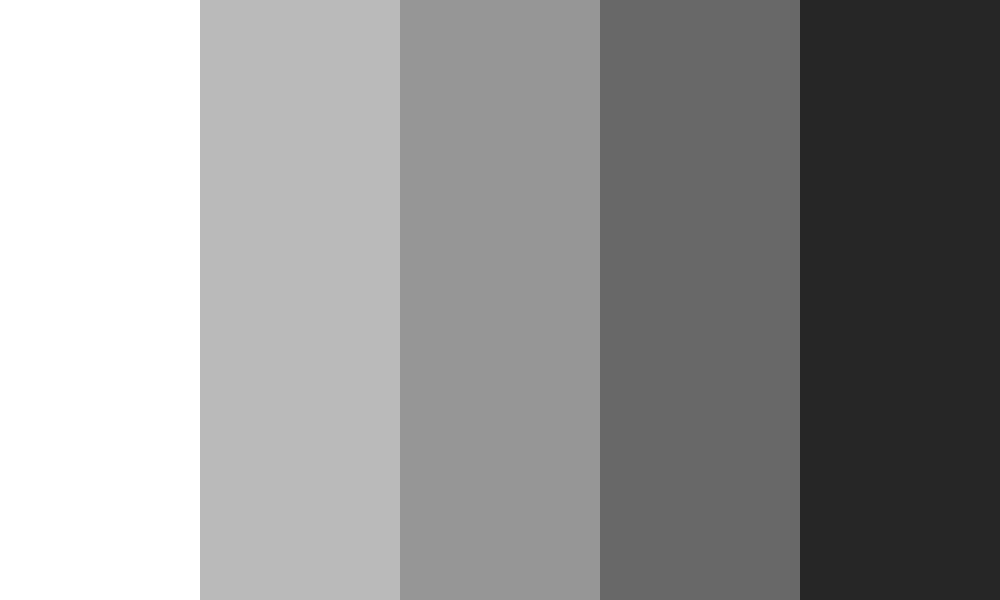
Color schemes within the thriller genre are designed to grow the psychological tension. Many thrillers have dull palette that use the colors by blacks, greys, and cool tones such as deep blues. In our project, I think we'd want to go for the deep blue color scheme just to show the depressed mood. These colors also take away any sense of warmth , establishing a cold, unsettling atmosphere. This creates an environment of danger.
Low-key lighting further intensifies this by increasing any shadow, restricting what the audience can see and create a sense of unease. In contrast, red is used as a visual signal of threat, violence and immediately draws the audience's attention. In the portfolio project, we're thinking of adding some danger to it, so applying red as a visual sign wouldn't be a bad idea. Overall, these color choices are carefully chosen to influence audience emotions and reinforce the genre’s key themes of fear, tension, and uncertainty.
Citations:
https://nofilmschool.com/Film-color-theory-and-color-schemes
https://colorinstitute.com/color-psychology-in-film-television/


No comments:
Post a Comment